How to Spend Less on Coffee in NYC
 Written by
Sasha Pavlovich
Written by
Sasha Pavlovich
Coffee in New York City varies dramatically in price. A basic drip coffee can cost under $3 in some neighborhoods and more than $5 in others, while specialty drinks often exceed $6 or $7. For people who buy coffee daily, this quickly becomes one of the most expensive small habits in a monthly budget.
New York is consistently one of the most expensive U.S. cities for everyday purchases, including café drinks. For example, Numbeo price data shows NYC coffee prices trending above many other major cities.
Here are some of the ways New Yorkers keep their coffee spending under control.
Key Takeaways
- Coffee prices in NYC vary heavily by neighborhood and location.
- Transit areas and tourist zones often charge the highest prices.
- Small changes like drink choice, loyalty programs, and home brewing can significantly lower monthly coffee costs.
Avoid Transit-Zone Pricing
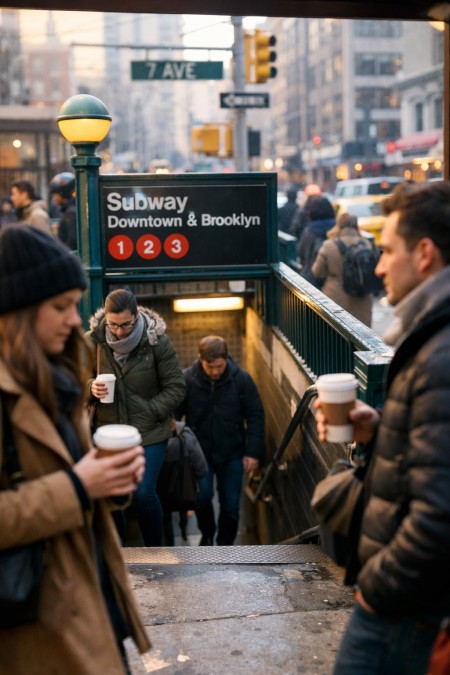
Coffee shops clustered around major transit hubs such as Penn Station, Grand Central, Union Square, and Wall Street often charge higher prices than neighborhood cafés. These locations rely on convenience and heavy foot traffic rather than repeat customers.
In NYC, the highest café prices are often concentrated in Midtown and commuter corridors, where rent and foot traffic push convenience pricing. That pricing pressure often shows up directly in café menus.
Walking just a few blocks into residential streets can often reduce the price of the same drink by a dollar or more. Over a month of daily coffee purchases, that difference can add up quickly.
Use Predictable Chain Pricing Strategically
Independent cafés in NYC vary widely in price, but large chains often maintain more stable pricing across locations. Some residents use this consistency for routine coffee purchases.
Starbucks Rewards, for example, allows customers to collect points that eventually convert into free drinks. Starbucks also offers free refills for in-store purchases.
Pret A Manger’s coffee subscription allows daily drinks for a fixed monthly fee, which can dramatically reduce per-cup costs for frequent buyers. Dunkin’ also operates a points-based rewards system.
These programs are not always the cheapest possible option per drink, but they provide predictable pricing that can help regular buyers control spending.
Understand the Milk Premium
Milk-based drinks usually carry a much larger price jump than drip coffee. Switching from drip coffee to a latte often adds two or three dollars, and seasonal specialty drinks can increase the price even further.
Data from the U.S. Bureau of Labor Statistics shows that food purchased away from home, including café beverages, has increased significantly in recent years.
Because of this, many New Yorkers adjust their drink choices instead of eliminating café visits completely. Some order drip coffee during the workweek and reserve espresso drinks for weekends. Others simply choose smaller milk drinks.
These small adjustments can noticeably reduce monthly spending while maintaining the same coffee routine.
Pay Attention to Neighborhood Pricing
Coffee prices in New York often reflect neighborhood economics more than coffee quality.
Midtown, SoHo, and major tourist zones generally have the highest prices. Residential areas of the Upper West Side, Harlem, Queens, and many parts of Brooklyn often offer noticeably lower averages.
Local reporting from outlets like Eater NY regularly highlights how commercial rent influences menu pricing across the city’s restaurant and café economy.
Many commuters eventually realize that buying coffee near home instead of near the office can significantly reduce daily spending.
Look for Informal Loyalty at Neighborhood Cafés
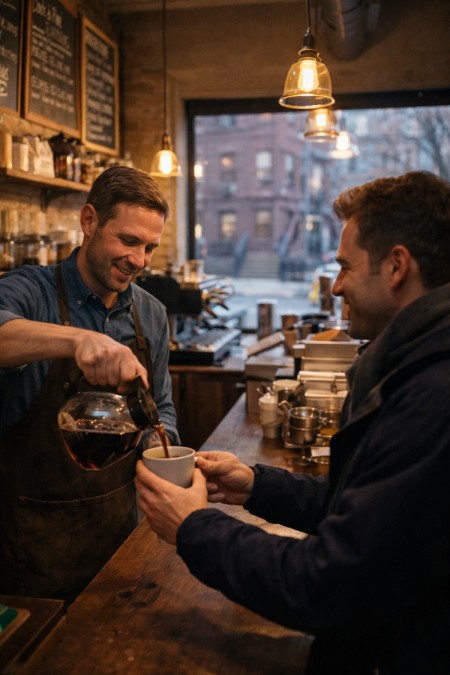
Not every café uses a formal app-based loyalty system. However, many independent coffee shops quietly reward repeat customers.
This can include punch cards, occasional free refills, small discounts, or bundled deals with pastries. These perks are often not advertised publicly but appear once someone becomes a regular customer.
Building a relationship with one neighborhood café often lowers long-term spending more than constantly searching for the cheapest cup every morning.
Combine Café Visits with Home Brewing
Most New Yorkers do not eliminate café coffee entirely. Instead, they balance it with home brewing.
Consumer research from the National Coffee Association shows that many Americans combine café visits with home brewing rather than choosing one or the other.
In NYC this pattern is particularly common. Many people brew coffee at home on quieter mornings and visit cafés on commuting days or weekends when the social atmosphere matters more.
Even brewing at home a few days per week can dramatically reduce total coffee spending over time.
Make Coffee Purchases Intentional
The biggest difference between tourists and long-term residents is rarely where they buy coffee. It is how automatically they buy it.
In a city where prices vary dramatically by neighborhood, convenience, and timing, treating coffee purchases as decisions rather than habits can make a noticeable difference in monthly spending.
Simply pausing to decide whether a coffee stop is necessary or just convenient often prevents routine purchases from becoming expensive patterns.
The Bottom Line
Coffee in New York will probably never be cheap, but it does not have to become an uncontrolled expense.
Avoiding transit-zone markups, understanding neighborhood pricing patterns, using loyalty programs strategically, and balancing café visits with occasional home brewing can all reduce spending without sacrificing quality.
For most New Yorkers, the goal is not to stop buying coffee. It is simply to make each purchase intentional rather than automatic.
Explore more: New York savings guides · NYC Food & Drink
Frequently Asked Questions About Coffee Prices in NYC
Why is coffee so expensive in New York City?
Coffee prices in NYC are strongly influenced by commercial rent, labor costs, and high foot-traffic locations. Cafés near transit hubs or tourist areas often charge more because they rely on convenience purchases rather than repeat customers.
What is the average price of coffee in NYC?
Prices vary widely depending on location and café style. Basic drip coffee usually ranges from about $3 to $5, while espresso drinks often cost $5 to $7 or more.
Where can I find cheaper coffee in NYC?
Coffee is usually cheaper in residential neighborhoods compared to major transit zones or tourist districts. Many locals buy coffee near home instead of near office districts.
Are coffee subscriptions worth it in NYC?
For people who buy coffee daily, subscriptions can significantly reduce per-cup costs. Programs like Pret’s coffee subscription or chain loyalty systems can make regular purchases more predictable and affordable.
Is it cheaper to make coffee at home in New York?
Home brewing is almost always cheaper than buying café coffee every day. Many residents combine both approaches, brewing at home on quieter mornings and visiting cafés when convenience or social atmosphere matters more.